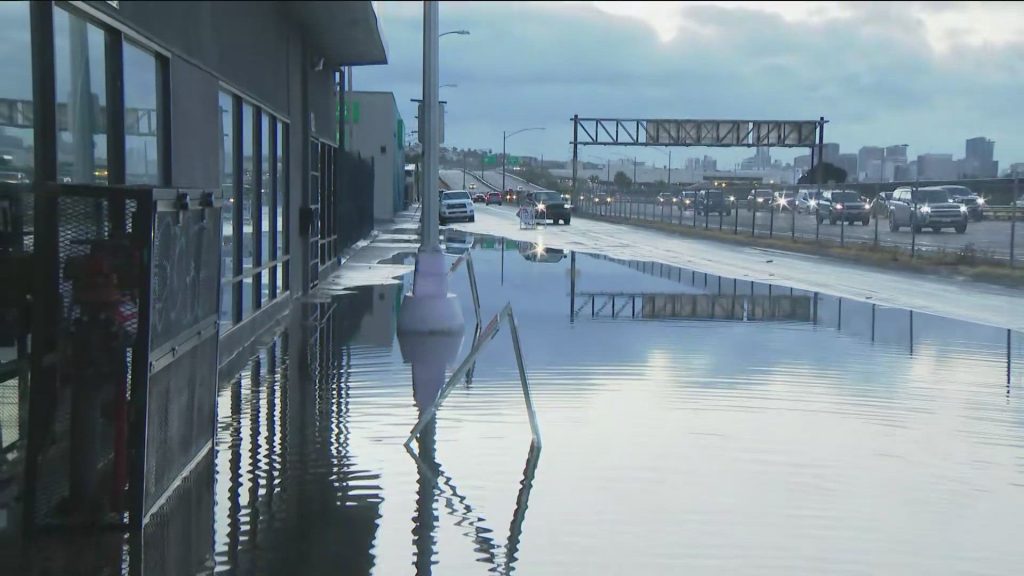
Heavy rainstorms can cause sudden flooding that affects homes, businesses, and entire neighborhoods. In areas like National City, heavy rainfall combined with drainage issues or overflowing streets can quickly lead to water entering homes and damaging property. Flooding is not only stressful for homeowners, but it can also cause long-term structural damage and serious health concerns if it is not handled properly.
Knowing what to do immediately after heavy rain flooding can make a significant difference in reducing damage and restoring your home quickly. Acting fast and following the right steps helps protect your property, prevent mold growth, and ensure your home remains safe for your family.
Ensure Safety First
The first and most important step after flooding is ensuring the safety of everyone inside the home. Floodwater can carry debris, bacteria, and even electrical hazards. If water has entered the house, homeowners should avoid walking through standing water until it is confirmed that the electricity has been turned off.
If the flooding is severe, it may be safer to leave the property temporarily until professionals assess the situation. Safety should always come before attempting to clean or remove water from the home.
Stop the Source of Water if Possible
After ensuring the home is safe, the next step is identifying the source of the flooding. Heavy rain can cause water to enter through multiple points such as damaged roofs, foundation cracks, clogged gutters, or overflowing drainage systems.
If possible, homeowners should try to stop or reduce the flow of water entering the home. Clearing blocked drains, redirecting water away from the property, or temporarily sealing small leaks can help limit further damage. However, if the flooding is caused by large-scale stormwater issues, professional help may be required.
Document the Damage
Before beginning any cleanup, it is important to document the damage. Taking photos and videos of flooded areas, damaged furniture, soaked walls, and affected belongings can be very helpful when filing insurance claims.
Homeowners in National City should record everything that has been impacted by floodwater. Detailed documentation can make the claims process easier and help ensure that necessary repairs and restoration work are covered.
Remove Standing Water Quickly
Standing water should be removed as soon as possible. The longer water remains inside the home, the more damage it can cause. Floodwater can soak into flooring, drywall, insulation, and wooden structures, weakening the building materials.
Water extraction can sometimes be done using pumps, wet vacuums, or buckets for smaller flooding incidents. However, in many cases professional water extraction equipment is necessary to remove large volumes of water effectively.
Fast water removal is critical because mold can begin to develop within 24 to 48 hours after flooding occurs.
Begin Drying the Affected Areas
Once the standing water has been removed, the next step is drying the property. Flooded homes often retain moisture in hidden areas such as inside walls, beneath flooring, and within insulation. Simply removing visible water is not enough.
Proper drying requires strong air circulation and dehumidification. Opening windows, using fans, and running dehumidifiers can help reduce moisture levels inside the home. Professional restoration teams often use industrial air movers and specialized drying equipment to speed up the drying process.
Complete drying is essential to prevent mold growth and structural deterioration.
Remove Damaged Materials
Floodwater often contaminates building materials and household items. Carpets, drywall, insulation, and furniture that have absorbed dirty water may need to be removed and replaced.
Porous materials are especially vulnerable because they can trap bacteria and moisture. In many cases, removing contaminated materials is the safest way to prevent long-term problems.
Professionals can evaluate which items can be cleaned and restored and which ones should be discarded. Proper disposal of damaged materials also helps prevent contamination from spreading throughout the home.
Clean and Sanitize the Area
Floodwater is often considered contaminated water because it may contain dirt, sewage, chemicals, and other harmful substances. After water removal and drying, thorough cleaning and sanitization are necessary.
All affected surfaces should be disinfected to eliminate bacteria and reduce health risks. Professional restoration teams use specialized cleaning agents and antimicrobial treatments designed to restore a safe indoor environment.
Sanitization is especially important in kitchens, bathrooms, and areas where children or pets spend time.
Prevent Mold Growth
Mold is one of the biggest concerns after flooding. Even small amounts of moisture left behind can create conditions for mold to grow. Mold spores spread quickly and can damage property while also affecting indoor air quality.
To prevent mold growth, the property must be completely dry. Dehumidifiers and moisture monitoring equipment are often used to ensure that all affected areas have returned to normal humidity levels.
If mold is already present, professional mold remediation services may be necessary to remove contamination safely.
Inspect the Home for Structural Damage
Flooding can weaken the structural components of a house. Water may damage foundations, walls, wooden beams, and flooring systems. Even if the damage is not immediately visible, it can affect the long-term stability of the building.
After heavy rain flooding, it is important to inspect the home carefully. Restoration professionals can identify hidden damage and recommend repairs needed to restore the property safely.
Addressing structural issues early helps prevent more expensive repairs in the future.
Call Professional Flood Restoration Experts
While small water incidents can sometimes be handled by homeowners, heavy rain flooding often requires professional restoration services. Experts have the equipment, training, and experience needed to remove water, dry structures, and restore homes efficiently.
Professional restoration teams can also help prevent secondary damage such as mold growth and structural deterioration. Their goal is to return the home to a safe, clean, and livable condition as quickly as possible.
For homeowners dealing with flood damage in National City, professional assistance can make the recovery process faster and less stressful.
Protecting Your Home After Flooding
Once the immediate damage has been addressed, homeowners should also take steps to reduce the risk of future flooding. Regular maintenance of gutters, drainage systems, and roofing can help prevent rainwater from entering the home.
Improving outdoor drainage, sealing foundation cracks, and installing sump pumps can also reduce the likelihood of future flood damage. Preventive measures help protect both the home and the family living inside it.
Heavy rain flooding can be overwhelming, but taking the right steps quickly can significantly reduce damage and restore your property. Acting fast, removing water promptly, and working with experienced professionals ensures that your home can recover safely after a storm.
San Diego Water Restoration Pros provides professional flood damage cleanup and water restoration services for homeowners dealing with storm-related flooding. Our team is equipped with advanced tools and proven restoration techniques to remove water, dry affected areas, and restore homes efficiently.
Address: 2701 Midway Dr, San Diego, CA 92110
Phone: +1 858-356-4469